
Humanitarian Institution
A Sri Lankan organisation focused on human dignity, inclusion, community wellbeing and practical assistance to people and public institutions.
View our service record →Humanity • Development • Eco-harmony
We unite communities, public institutions and responsible partners to turn urgent needs into sustainable, measurable progress.
Who we are
SLAHDA is a Sri Lankan humanitarian and sustainable-development organisation working with communities, government institutions, technical professionals, development partners and responsible private-sector participants.
We connect immediate human needs with carefully structured programmes that create enduring social, economic and environmental value.
Explore SLAHDA’s identity and work →SLAHDA at a glance
This overview gives visitors a clear route from SLAHDA’s identity and service heritage to its current programme, delivery relationships and accountability commitments.
A Sri Lankan organisation focused on human dignity, inclusion, community wellbeing and practical assistance to people and public institutions.
View our service record →Through SLISDAWEI, verified needs are connected with professional planning, public-sector coordination, sustainable livelihoods and eco-harmony.
Explore SLISDAWEI →Programmes are structured around defined responsibilities, due diligence, safeguards, transparent resource management and measurable reporting.
Read our commitments →Our enduring purpose
The renewed institutional direction preserves the human-centred purpose stated on SLAHDA’s original website while extending it through SLISDAWEI into sustainable national development and eco-harmony.
Respecting every person without discrimination.
Prioritising vulnerable people, women, children and underserved communities.
Acting transparently, ethically and accountably.
Working with communities, public institutions and responsible partners.
Creating progress that strengthens people, economy and environment.
How SLAHDA works
Building on SLAHDA’s original emphasis on project identification, the strengthened model connects needs assessment with professional evidence, institutional alignment, appropriate financing and measurable implementation.
Our work
Our programmes respond to urgent needs while building the systems, skills and partnerships required for long-term resilience.
Sustainable livelihoods, community enterprise and inclusive economic opportunity.
Learn more →Integrated agriculture, modern processing and stronger national food systems.
Learn more →Accessible care, preventive health and stronger community resilience.
Learn more →Facilities, knowledge and practical skills that expand opportunity.
Learn more →Regeneration, climate resilience and lasting human–wildlife coexistence.
Learn more →Integrated infrastructure supporting communities, agriculture and ecosystems.
Learn more → 2026—2036Sri Lanka Integrated Socioeconomic Development and Wildlife Eco-harmony Initiative
Our master initiative
SLISDAWEI transforms SLAHDA’s humanitarian experience into a coordinated national-development framework spanning 18 interconnected sectors and seven strategic objectives comprising 70 projects.
Explore the InitiativeThree delivery pillars
Each project is classified by its primary purpose, financing logic and delivery responsibility. Governance, safeguards, benefits and financial obligations must be defined in the applicable project agreement.
Lead: SLAHDA, supported operationally by CIOMPDPL where authorised.
Partners and resources: donors, grant makers, CSR contributors, philanthropists, development agencies, government institutions and other approved funders.
Purpose: direct assistance, poverty alleviation, community wellbeing, inclusion and other projects whose principal return is measurable public benefit—not commercial profit.
Lead: CIOMPDPL through properly constituted joint ventures or implementation arrangements with eligible Sri Lankan and foreign partners engaged in coordination with SLAHDA.
Purpose: financially sustainable projects that create livelihoods, services, productive assets and regional economic value while advancing SLISDAWEI objectives.
Benefit pathway: the SLAHDA-directed share of distributable benefits or other agreed returns will be applied to eligible humanitarian programmes, subject to law, audited accounts and each project’s governing agreements.
Lead: qualified investors, funders and project entities working with CIOMPDPL and relevant government institutions.
Models: project-specific FDI, public–private partnerships, BOT, BOOT, joint ventures, concessions and other lawful structures approved by the responsible authorities.
Development connection: commercial returns belong to the relevant investors and project parties; any commitment to facilitate or cross-support humanitarian and semi-commercial projects must be expressly documented, transparent and independently accountable.
No project category by itself constitutes an offer of securities, a funding guarantee or government approval. Every investment and public–private arrangement remains subject to feasibility, due diligence, regulatory requirements, environmental and social safeguards, procurement rules and binding agreements.
18-sector architecture
Adapted to Sri Lanka’s needs, the sectors connect social protection and public services with productive infrastructure, green development, technology, enterprise and employment.
Climate-resilient farming, food security, processing and stronger farmer livelihoods.
Strategic transport gateways supporting trade, tourism and regional economic growth.
Safe, sustainable and inclusive housing for underserved families and communities.
Learning, skills, innovation and opportunities for young people’s development.
Responsible resource development with environmental, community and value-addition safeguards.
Accessible services, assistive support and dignified community participation for all.
Renewable energy solutions supporting communities, institutions and productive enterprises.
Secure digital systems improving public administration, coordination and service delivery.
Accessible healthcare, preventive services, professional training and integrated medical systems.
Innovation districts connecting technology, research, education, enterprise and employment.
Inclusive community facilities improving wellbeing, accessibility and quality of life.
Safe, efficient and lower-emission mobility for people and regional development.
Resilient water, transport and utility systems enabling sustainable national development.
Responsible tourism protecting culture, communities, biodiversity and local livelihoods.
Finance, skills and market access for small businesses and community enterprises.
Circular solutions converting waste into energy while protecting water and public health.
Planned investment zones supporting responsible industry, exports and skilled employment.
Sustainable production, local value addition, technology transfer and quality employment.
Seven strategic objectives
06 Projects
03 Projects
03 Projects
20 Projects
13 Projects
24 Projects
01 Project
Social-transformation pathway
SLISDAWEI seeks to reduce the number of households trapped in poverty and insecurity while expanding a capable, economically active and socially protected population. This long-term pathway depends on fair access to health, education, skills, assets, finance, infrastructure, markets and decent work.
Four dimensions of sustainability: human wellbeing, social inclusion, economic resilience and environmental stewardship—advanced together and measured through verifiable outcomes.
Priority projects
These flagship programmes and Ministry of Agriculture–allocated opportunities are being structured through site verification, feasibility studies, government coordination, responsible financing and accountable implementation. Listed locations remain subject to confirmation and required approvals.
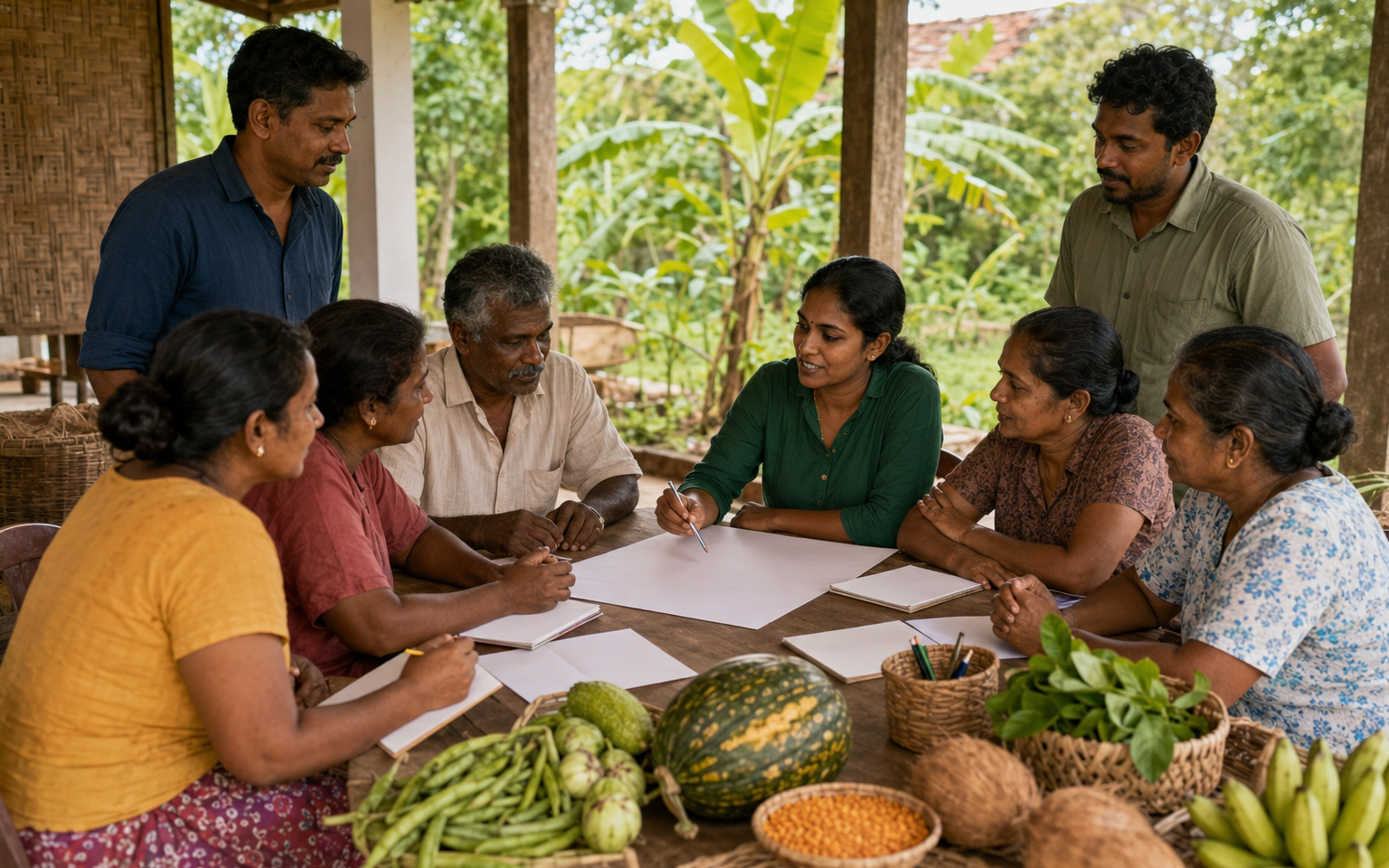
An integrated pathway from immediate vulnerability to stable livelihoods and community-led enterprise.
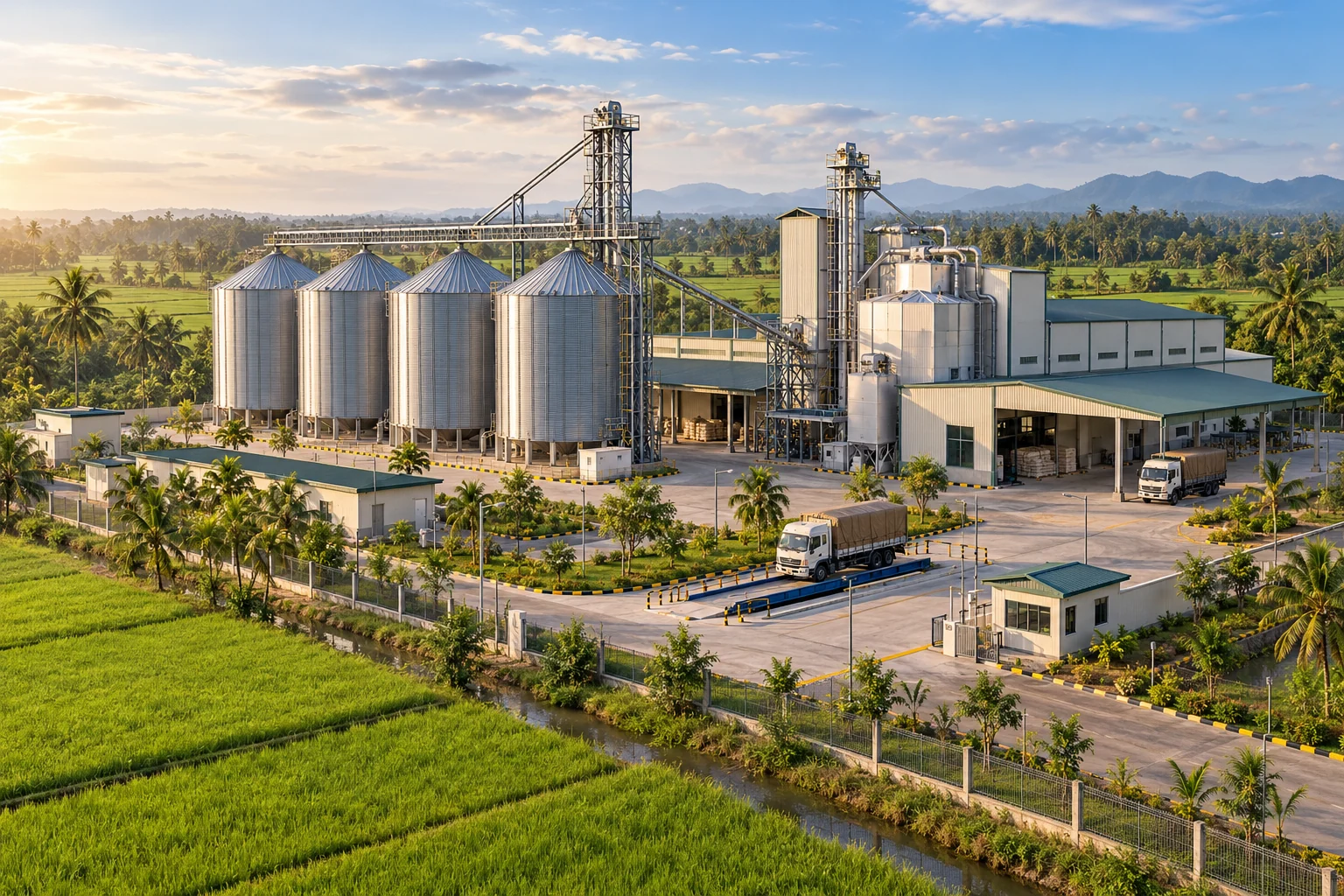
A proposed network of 14 modern, green rice-processing complexes strengthening farmers, food security and regional economic development. Candidate locations include Girandurukotte, Kahatagasdigiliya, Vavuniya, Trincomalee, Batticaloa, Kilinochchi, Mannar, Galigamuwa, Siyambalanduwa, Wellawaya, Ampara–Iginiyagala, Mahiyanganaya and Hambantota. The PD-03 national master provides a base of 150 MT/day paddy processing and 8,000 MT storage per complex, subject to location-specific feasibility.
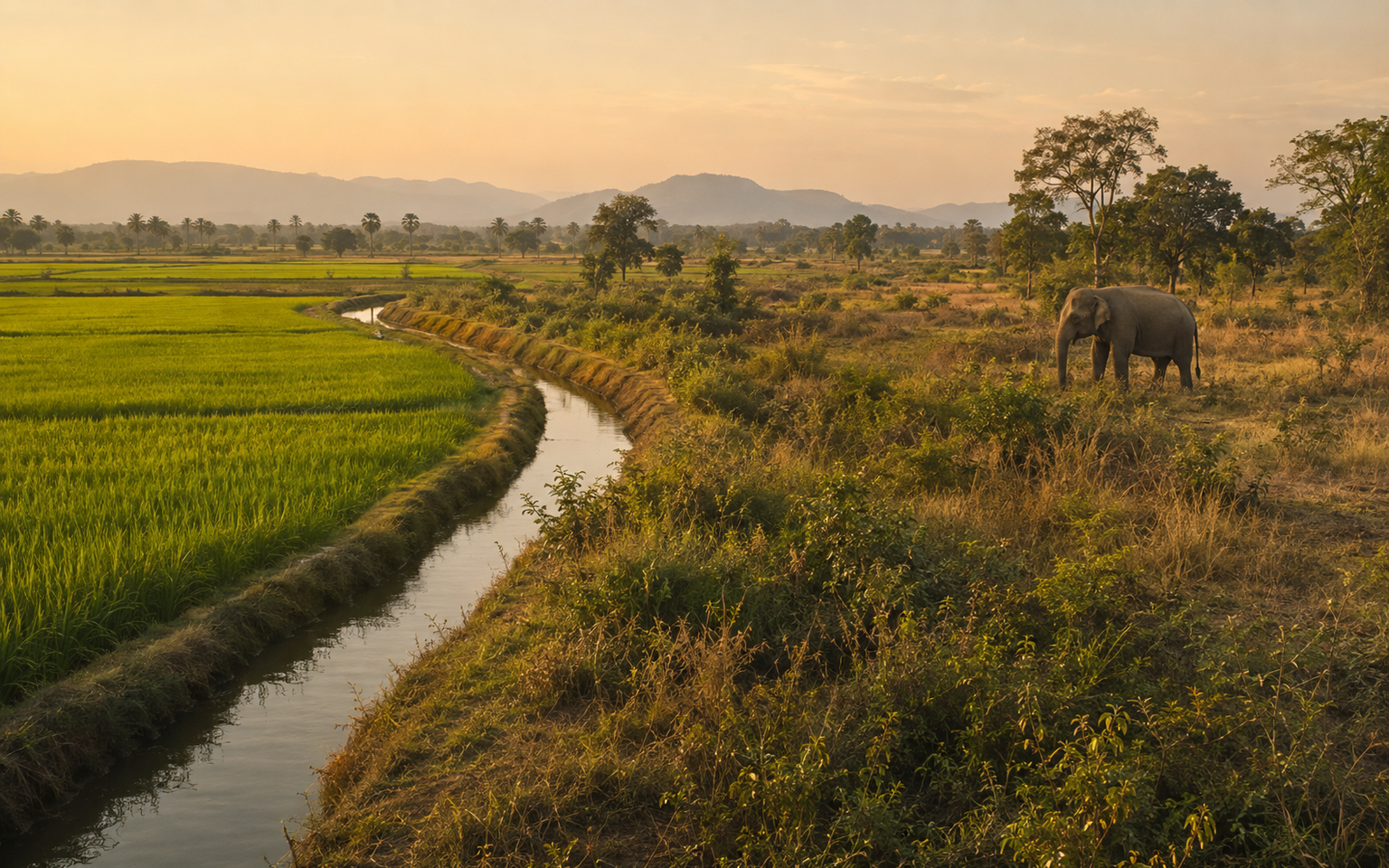
Engineered water-conveyance and protective infrastructure connecting eco-harmony with irrigation and resilience.
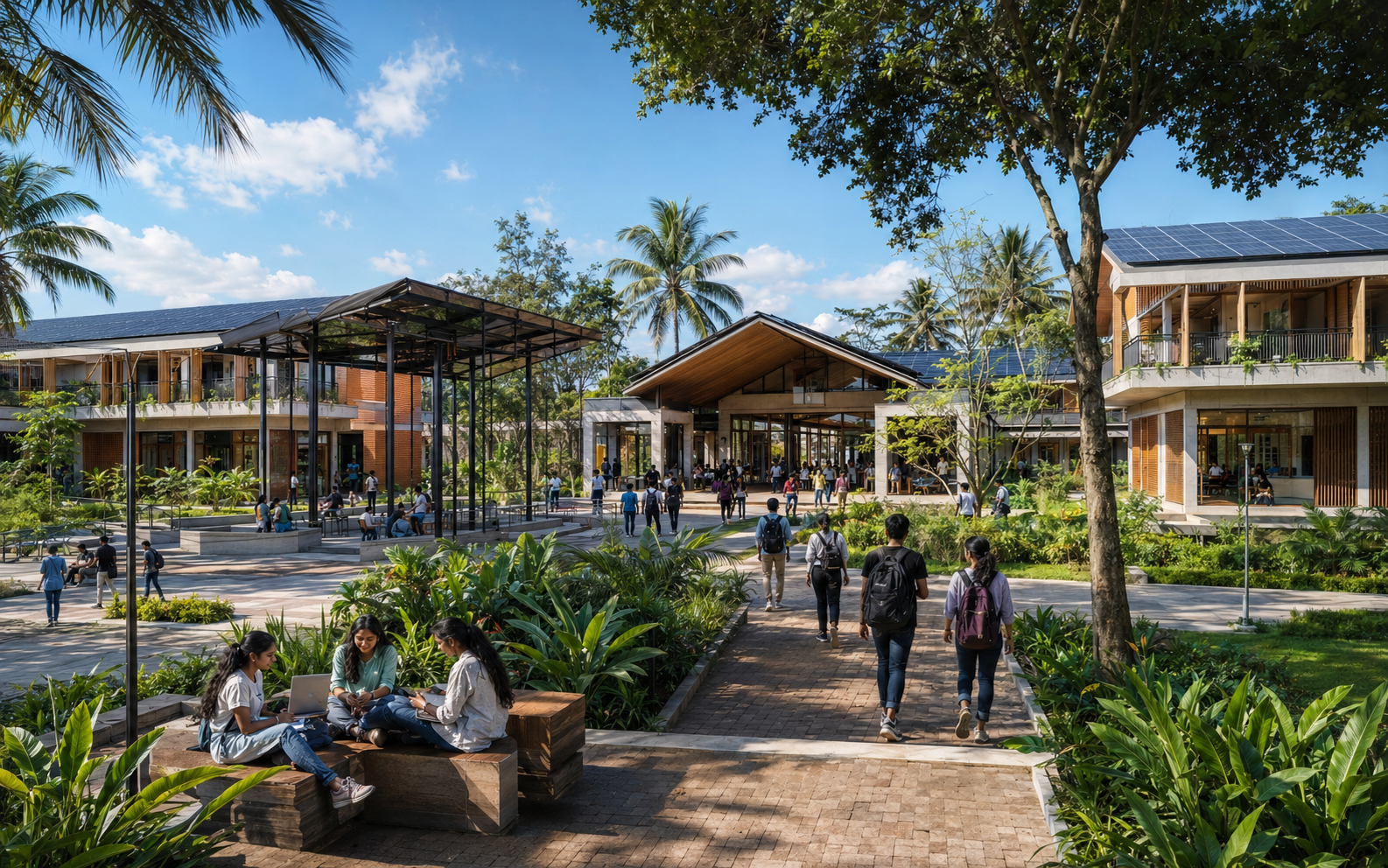
An integrated education, industry and innovation ecosystem designed to widen professional higher-education access, develop globally competitive skills and connect regional campuses with employment and enterprise.
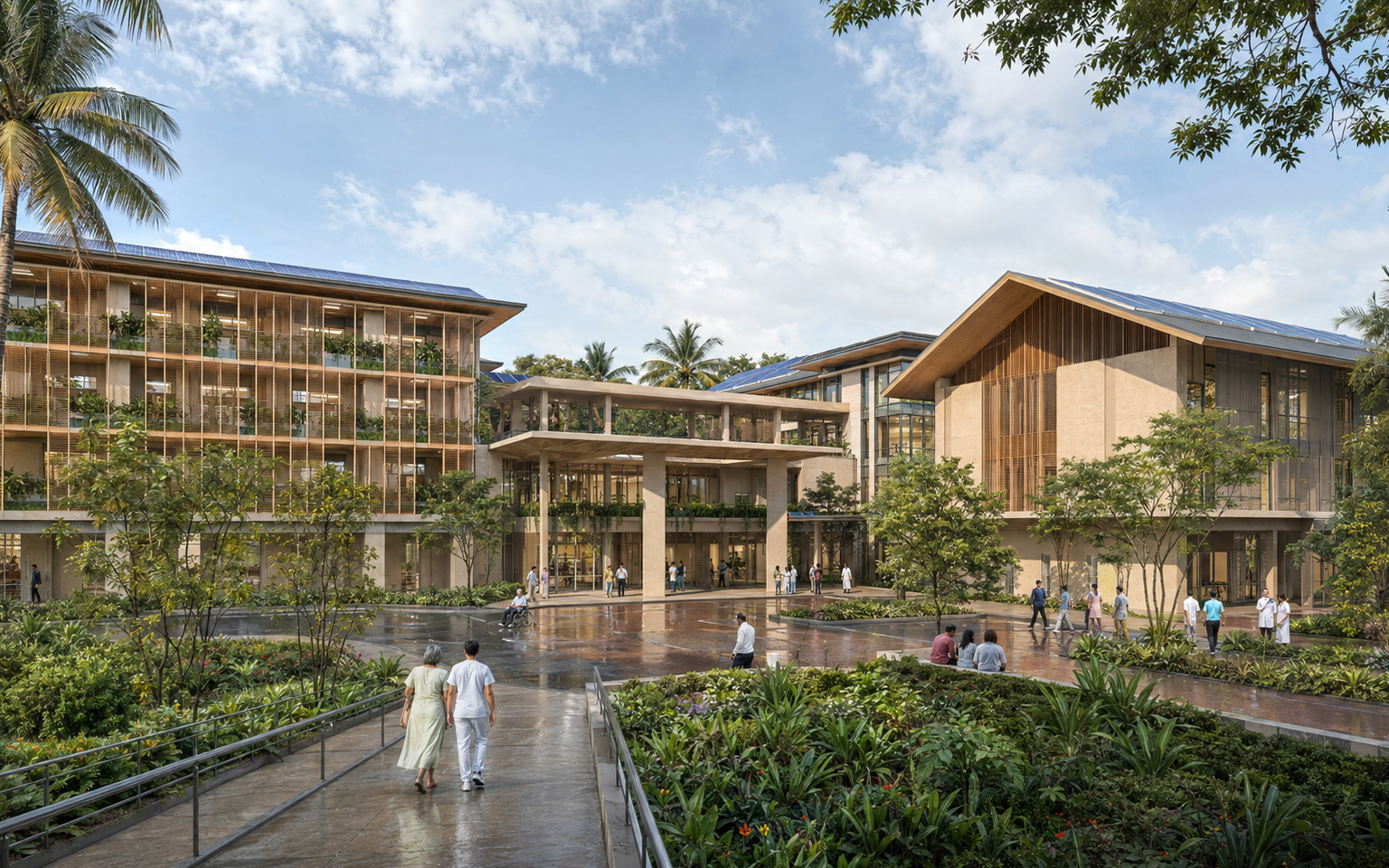
A health-led ecosystem bringing together integrative clinical care, higher education and research, and responsible indigenous health and wellness enterprise within one phased national platform.
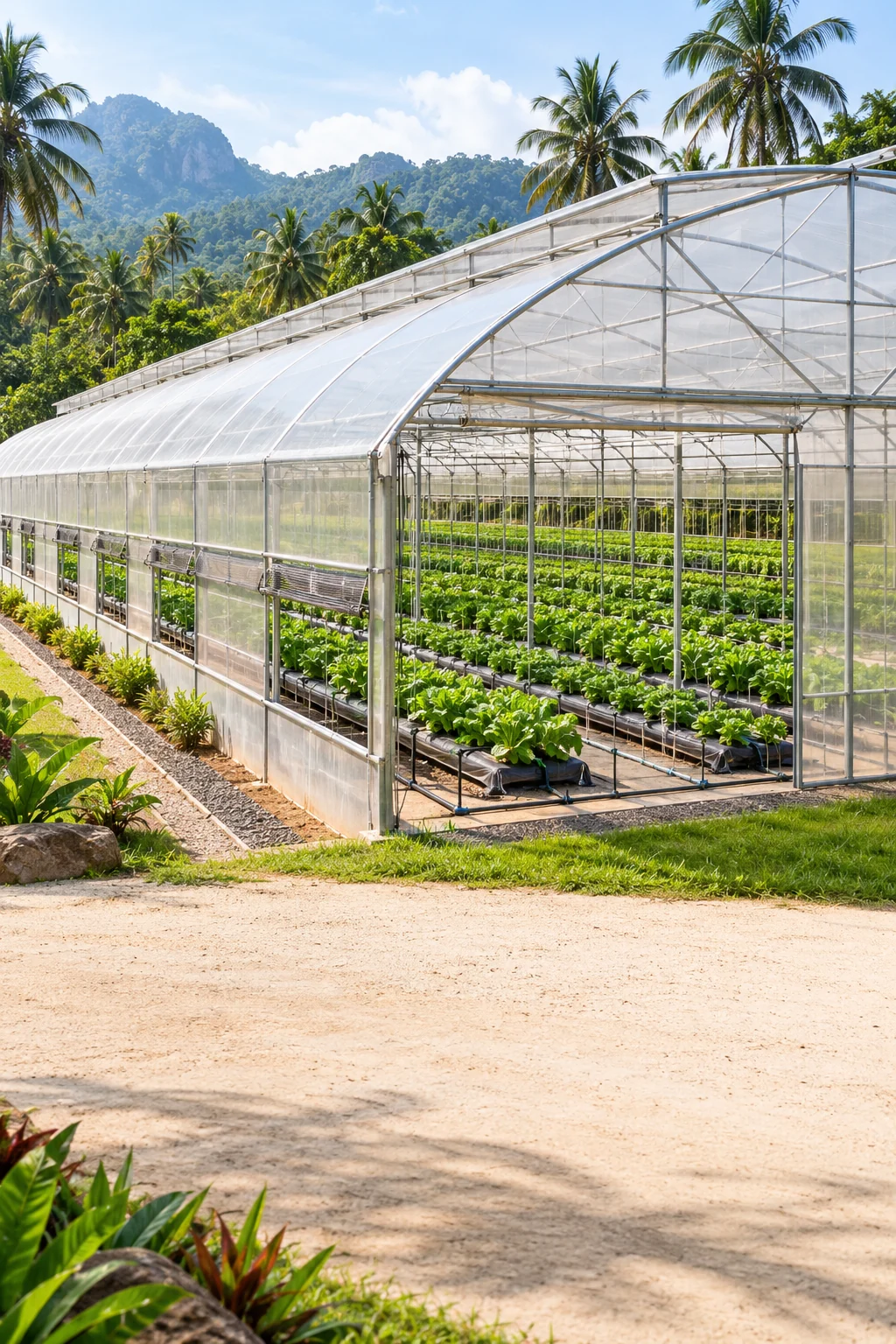
Climate-smart protected cultivation at Walapane, Lakgala, Wellawaya and Welikanda to improve year-round production, water efficiency, crop quality and farmer access to higher-value markets.

A national cold-chain network at Norochcholai, Balangoda, Walapane, Kilinochchi, Thambuttegama, Dambulla, Embilipitiya, Wellawaya, Mahiyanganaya and Hambantota to reduce losses and improve market timing.

Seed-production and improvement facilities at Medawachchiya, Buttala, Hambantota, Udupussellawa, Welimada and Dehiattakandiya to strengthen access to reliable planting material and climate-resilient varieties.

Dairy-development facilities in Anuradhapura, Nikaweratiya, Puttalam and Welikanda supporting quality milk production, animal health, farmer organisations, chilling and value-chain development.

Regional feed facilities at Thambuttegama, Ampara–Iginiyagala, Gampaha and Monaragala to improve dependable feed supply, livestock productivity and local agro-industrial enterprise.

Facilities in Anuradhapura, Nikaweratiya, Monaragala, Kurunegala and Welikanda, with emphasis on quality assurance, responsible production, soil health and locally appropriate nutrient solutions.
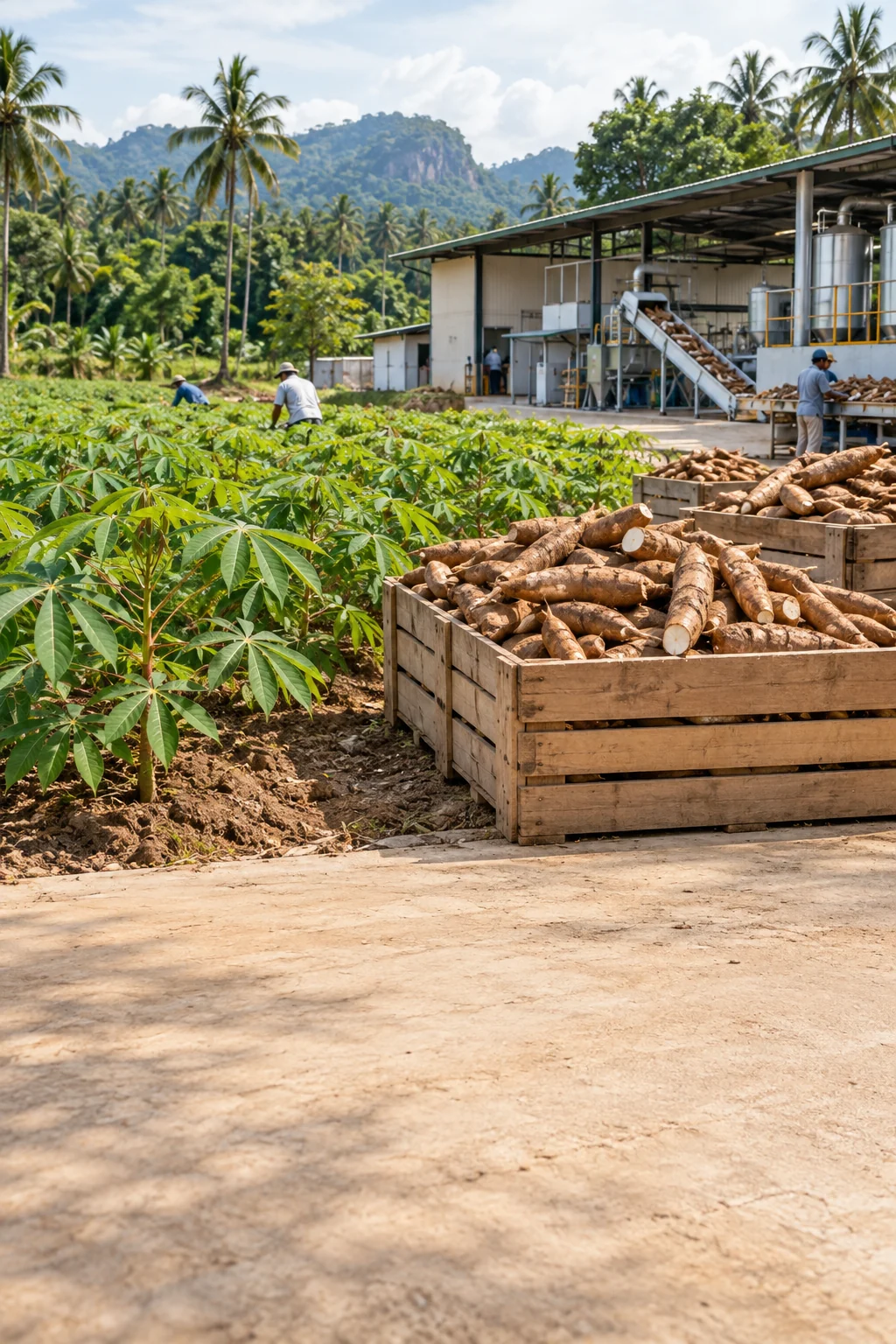
A Kurunegala-based cultivation and processing initiative connecting suitable land, improved planting material, organised growers and value-added food and industrial markets.
A Gampaha District initiative for medicinal-plant cultivation, traceable raw materials, responsible processing, research linkages and livelihood opportunities connected to Sri Lanka’s indigenous-health sector.
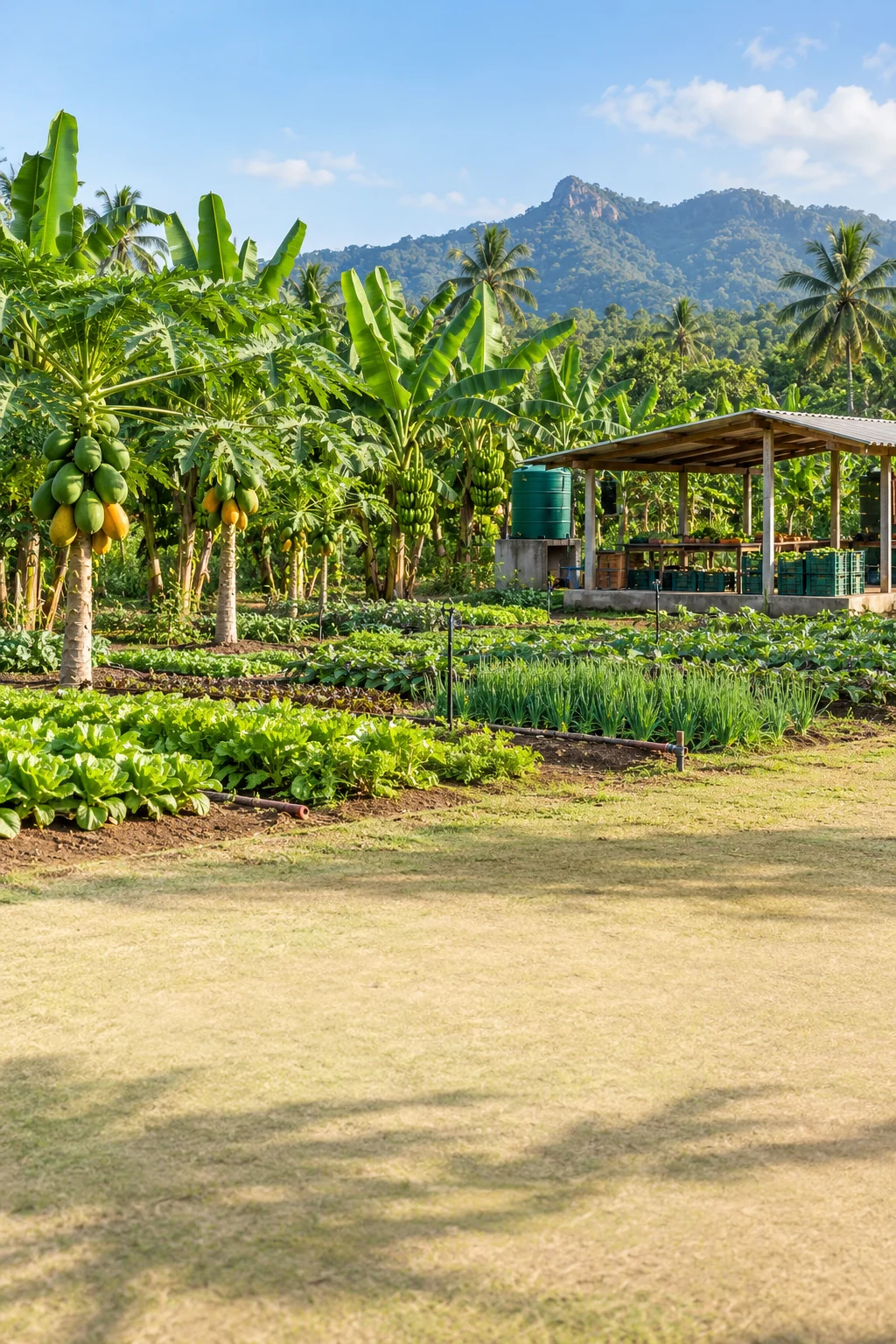
Integrated production and market-linkage zones in Vavuniya, Kilinochchi, Thambuttegama and Embilipitiya, supported by good agricultural practices, aggregation, storage and value addition.
People, projects & place
Verified archival activities are distinguished from illustrative imagery prepared for projects now being developed under SLISDAWEI.
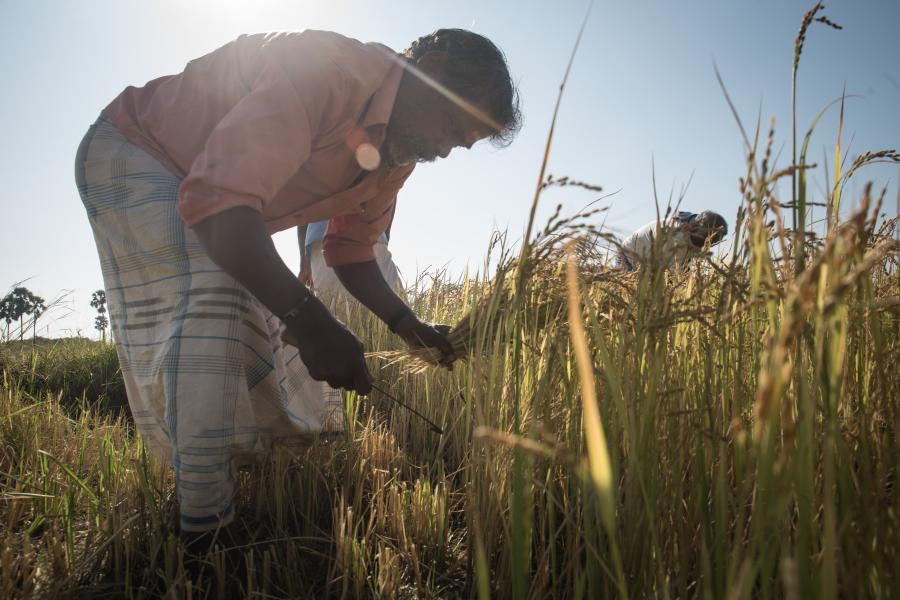
Historical SLAHDA photographs are now being added from the organisation’s institutional archive.
Our track record
SLAHDA’s completed work includes school renovation and construction, healthcare support, medical-equipment assistance and mobility support for people in need.
View Our ImpactWork with SLAHDA
Through SLISDAWEI and SLAHDA’s wider humanitarian portfolio, corporate partners can direct CSR resources towards carefully defined needs in poverty alleviation, agriculture and food security, education, health, sustainable livelihoods, water, environmental restoration and human–wildlife eco-harmony.
SLAHDA seeks more than a funding transaction. We seek responsible partnerships that connect a company’s CSR purpose with verified community needs, transparent fund management, professional implementation and evidence that demonstrates what the partnership achieved.
Co-develop a defined programme aligned with community priorities, corporate values and measurable ESG or SDG outcomes.
Discuss a CSR partnership →Support humanitarian or project-specific outcomes through an agreed budget, reporting schedule and accountable funding arrangement.
Visit the Donor & Partner Portal →Contribute research, field assessment, technical design, monitoring, innovation and implementation capability.
Join the professional network →CSR partnership readiness
SLAHDA’s CSR partnership framework is organised around legal readiness, financial stewardship, governance, disciplined project delivery and transparent impact reporting—adapted to Sri Lankan requirements and each funder’s due-diligence standards.
Current registration and governing documents, authorised agreements, regulatory alignment and project-specific eligibility are confirmed before funds are accepted.
Defined approval authority, board oversight, partner verification, conflict-of-interest controls, safeguarding and documented responsibilities support responsible decision-making.
Approved budgets, project or cost-centre tracking, documented expenditure, procurement controls, periodic financial reporting and independent audit or verification where required.
Clear objectives, beneficiaries, locations, responsibilities, milestones, risks, measurable indicators and monitoring arrangements are agreed before implementation.
Progress updates may include verified beneficiary data, outputs, outcomes, fund-utilisation reports, photographs, field records, challenges and corrective actions.
Timely reporting, transparent disclosure of material changes, authorised points of contact and a documented close-out process build confidence and continuity.
Compliance is not treated as a one-time certificate check. It is a continuing culture of responsible conduct—from assessment and agreement through fund utilisation, field delivery, reporting and project closure.
All funding arrangements remain subject to SLAHDA’s valid institutional status, applicable Sri Lankan laws and regulations, donor due diligence, approved agreements and banking, audit and reporting requirements. Requirements from other jurisdictions are applied only where legally relevant to the particular funder or transaction.
Official information sources
These external links are provided for public information and verification. Their inclusion does not by itself represent endorsement, approval or a formal project partnership.